- Also In:







+44 203 445 5766
institute@lloydmaritime.com


-

- Registration & Info
- Discover our institute
- Programs
-
Classroom
- Articles
- Opportunities
- Contact
Marine Human Element
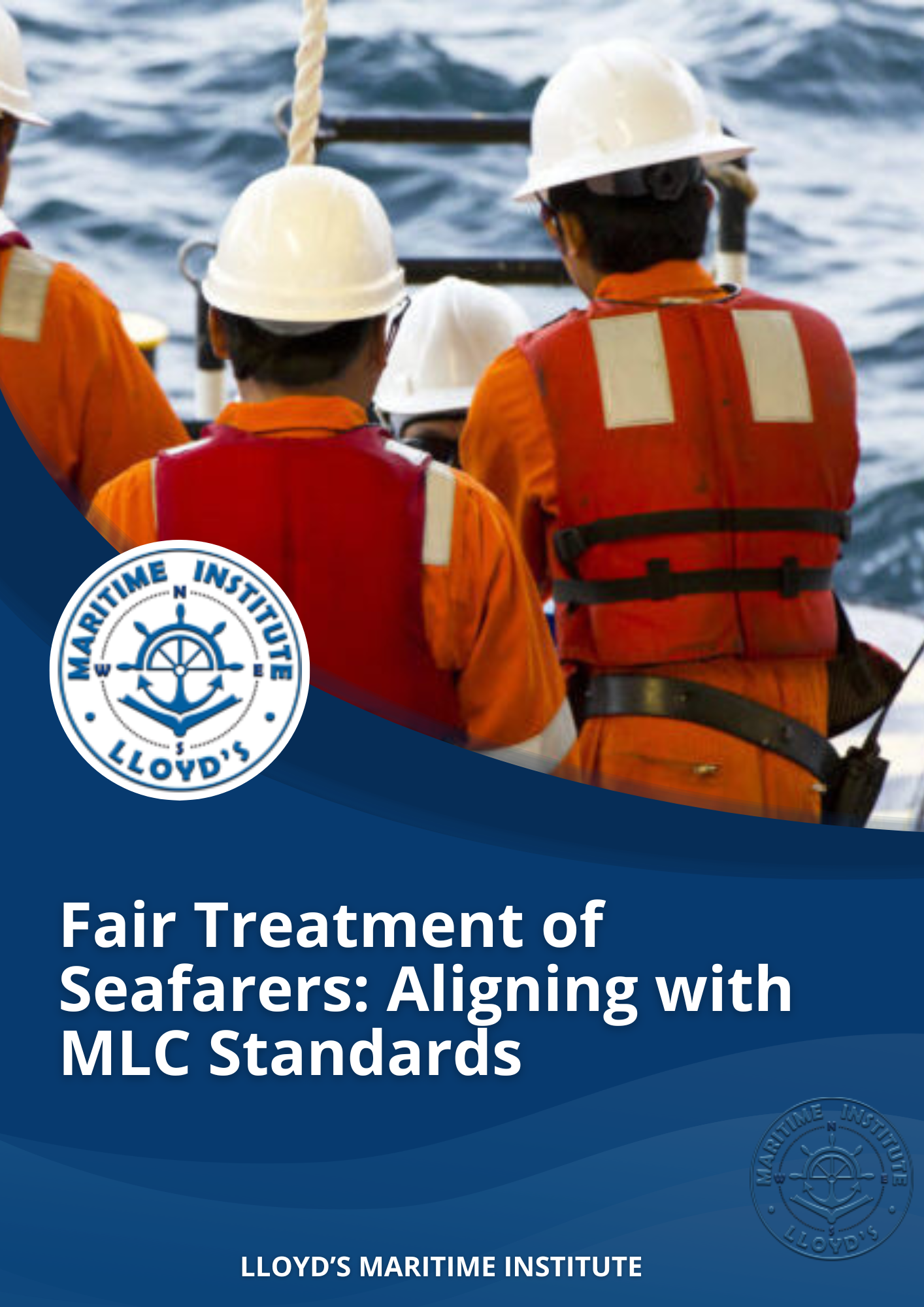
Fair Treatment of Seafarers Aligning with MLC Standards
- Course Program
- Who Should Attend
- Compliance with regulations
- Duration and Teaching Methods
- Course Benefits
- Course Content
- Certification
Introduction
Fair treatment of seafarers is a fundamental principle of ethical maritime operations and international legal compliance. The Maritime Labour Convention (MLC) sets out essential standards for working and living conditions at sea; however, challenges such as excessive working hours, insufficient rest periods, and falsified records continue to impact the welfare of seafarers and the safety of maritime operations. Issues like record manipulation and non-compliance with labor regulations pose serious risks to both crew well-being and vessel performance. This course offers a thorough and practical examination of the MLC’s requirements, focusing on compliance, transparency, and sustainable labor practices. Participants will gain valuable insights into identifying and preventing violations, implementing robust record-keeping systems, and promoting ethical standards across maritime operations. Real-world case studies and interactive sessions will empower attendees to advocate for and uphold fair treatment practices onboard.Objectives
By the end of this course, participants will be able to:- Understand the core principles of the Maritime Labour Convention and its application in protecting seafarers’ rights.
- Assess the importance of regulated working hours and rest periods for operational safety and legal compliance.
- Identify best practices in accurate record-keeping and understand the risks associated with document falsification.
- Utilize national and international mechanisms to monitor and enforce fair labor practices.
- Develop practical strategies to detect and prevent unethical practices related to work-hour reporting and promote a culture of compliance.
Who Should Attend
This course is ideal for maritime professionals seeking to deepen their expertise in specific sectors of the industry. It is particularly beneficial for:- Shipowners, operators, and managers
- Maritime lawyers and legal consultants
- Marine engineers and technical superintendents
- Port and terminal operators
- Surveyors and classification society representatives
- Maritime insurance professionals
- Government and regulatory body personnel Lloyd's Maritime Institute
Course Benefits
- Acquire in-depth understanding of key maritime concepts and practices
- Enhance decision-making and problem-solving skills in real-world contexts
- Stay current with international regulations and industry trends
- Expand professional network through interactions with peers and experts
- Earn a recognized certificate upon successful completion, bolstering career advancement opportunities
Course Content
- Introduction to the Maritime Labour Convention (MLC)
- Working Hours and Rest Periods
- Record-Keeping and Preventing Fabrication
- Local and International Enforcement Tools
- Strategic Compliance and Future Best Practices
Duration and Teaching Methods
The course spans five consecutive days, combining theoretical knowledge with practical application through:
- Expert-led lectures and presentations
- Interactive group discussions and case studies
- Hands-on exercises and simulations
- Real-world scenario analyses
Compliance with regulations
TOur courses are designed in alignment with international maritime standards and conventions, including:- International Maritime Organization (IMO) regulations
- SOLAS, MARPOL, and STCW conventions
- International Safety Management (ISM) Code
- International Ship and Port Facility Security (ISPS) Code
- Relevant ISO standards
Assessment
Certification
tt.png)


Membership





Copyright © LLOYD'S MARITIME INSTITUTE. All rights reserved.