- Also In:







+44 203 445 5766
institute@lloydmaritime.com


-

- Registration & Info
- Discover our institute
- Programs
-
Classroom
- Articles
- Opportunities
- Contact
Maritime Commercial Practices
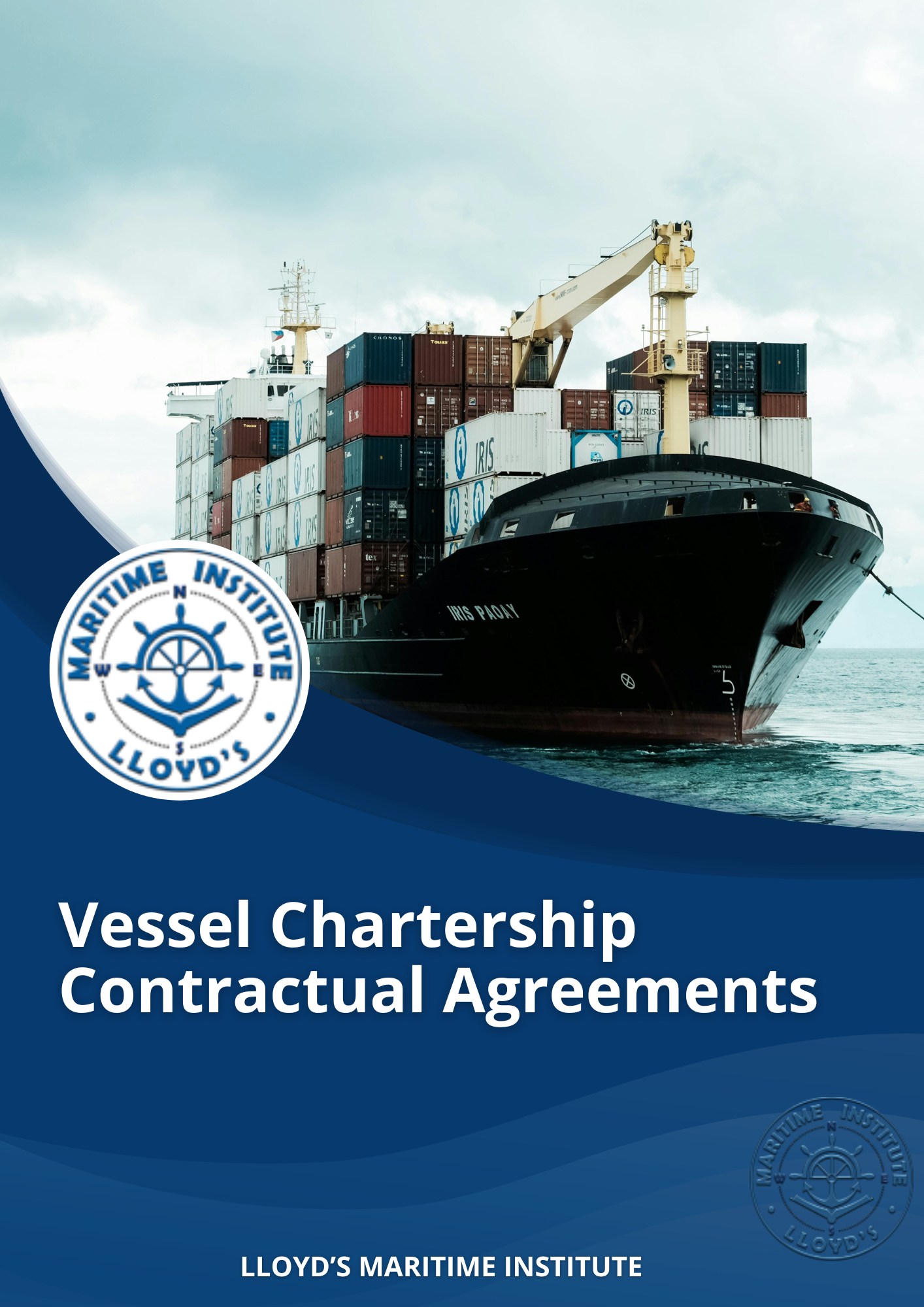
Vessel Charter ship Contractual Agreements
- Course Program
- Who Should Attend
- Compliance with regulations
- Duration and Teaching Methods
- Course Benefits
- Course Content
- Certification
Introduction
The Chartership Course offers an in-depth exploration of charter party agreements and their pivotal role in global maritime and shipping operations. It provides participants with a comprehensive understanding of the cargo carriage market—highlighting its dynamic structure, competitive landscape, and inherent challenges. This course delivers essential insights into the fields of ship chartering and shipbroking, equipping delegates with both theoretical knowledge and practical expertise. Topics include contracts of carriage, tanker and dry bulk chartering, legal frameworks such as the Hague-Visby Rules, and cargo claims. Practical components focus on key calculations like demurrage and dispatch, supported by real-life case studies that reinforce applied learning. By the end of the program, participants will be well-prepared to navigate the complexities of maritime chartering, interpret different chartering arrangements, and manage related contractual and insurance considerations with confidence.Objectives
Chartership Training Course aims to:-
The Chartership Training Course is designed to:
- Provide a thorough foundation in ship chartering and shipbroking principles.
- Deepen understanding of the commercial and operational dynamics within the shipping industry.
- Enhance analytical and strategic decision-making skills related to chartering practices.
- Develop key transferable and industry-specific competencies applicable to maritime careers and research.
- Strengthen practical skills in demurrage and dispatch calculations, as well as associated chartering procedures. Learning Outcomes Upon completion of the course, participants will be able to:
- Demonstrate an in-depth understanding of ship chartering processes and concepts.
- Effectively analyze and resolve various chartering-related challenges.
- Distinguish between tanker and dry cargo chartering methodologies.
- Perform essential chartering calculations and evaluate commercial scenarios accurately.
Who Should Attend
This course is ideal for maritime professionals seeking to deepen their expertise in specific sectors of the industry. It is particularly beneficial for:- Shipowners, operators, and managers
- Maritime lawyers and legal consultants
- Marine engineers and technical superintendents
- Port and terminal operators
- Surveyors and classification society representatives
- Maritime insurance professionals
- Government and regulatory body personnel Lloyd's Maritime Institute
Course Benefits
- Acquire in-depth understanding of key maritime concepts and practices
- Enhance decision-making and problem-solving skills in real-world contexts
- Stay current with international regulations and industry trends
- Expand professional network through interactions with peers and experts
- Earn a recognized certificate upon successful completion, bolstering career advancement opportunities
Course Content
- Introduction to Ship Chartering
- Chartering Markets and Practices
- Legal Aspects in Shipping
- Case Study Seminar Day
- Comprehensive Overview of Cargo Insurance and Contracts
Duration and Teaching Methods
The course spans five consecutive days, combining theoretical knowledge with practical application through:
- Expert-led lectures and presentations
- Interactive group discussions and case studies
- Hands-on exercises and simulations
- Real-world scenario analyses
Compliance with regulations
TOur courses are designed in alignment with international maritime standards and conventions, including:- International Maritime Organization (IMO) regulations
- SOLAS, MARPOL, and STCW conventions
- International Safety Management (ISM) Code
- International Ship and Port Facility Security (ISPS) Code
- Relevant ISO standards
Assessment
Certification
tt.png)


Membership





Copyright © LLOYD'S MARITIME INSTITUTE. All rights reserved.